Opening a Commercial Warehouse in Musaffah Industrial: Complete Compliance Guide for Abu Dhabi Business Owners
Introduction: Why Compliance Matters Before You Sign the Lease
Musaffah Industrial is one of Abu Dhabi's most attractive commercial zones, offering competitive land costs and strategic logistics advantages. However, opening a warehouse facility here isn't simply about securing a plot and installing shelving. The regulatory framework requires careful navigation through multiple government departments, safety certifications, and industrial standards. Many facility owners discover too late that skipping compliance steps results in delayed operations, hefty fines, or forced closures. This guide walks you through every requirement, from initial approvals to final inspections, so you can launch your warehouse confidently and legally.
Key Government Entities and Their Critical Roles
Abu Dhabi Department of Municipalities and Transport (DMT)
The DMT is your primary regulator for zoning, building permits, and land use compliance in Musaffah. They verify that your warehouse activity aligns with the industrial zone's permitted uses and issue the fundamental land use certificate. Without this, no other approvals follow. Processing typically takes 5-10 working days after document submission.
Abu Dhabi Civil Defence Authority (ADCDA)
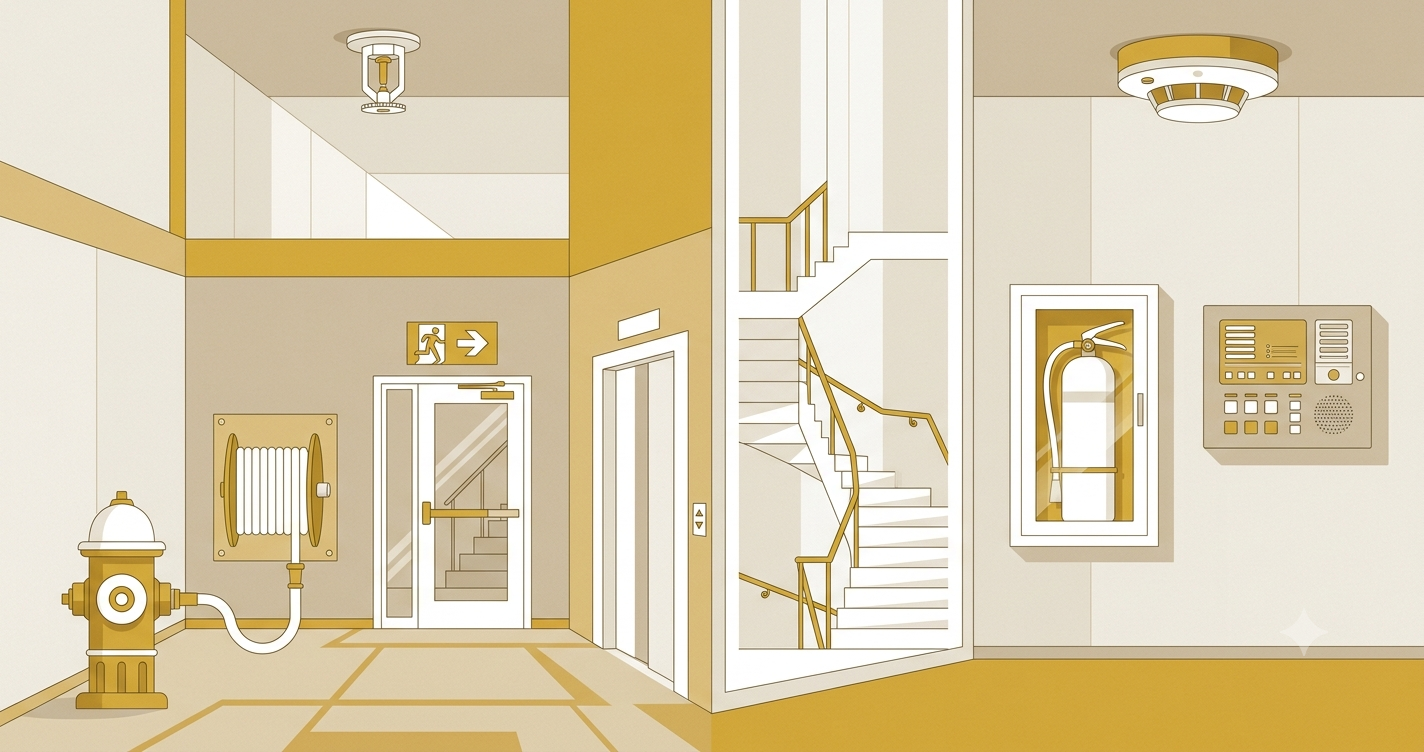
Fire safety is non-negotiable in industrial warehouses. ADCDA inspects your facility for fire suppression systems, emergency exits, signage, and evacuation procedures. They conduct pre-opening fire safety inspections and issue a mandatory fire safety certificate before you store inventory. This department has zero tolerance for violations.
Abu Dhabi Department of Economic Development (ADDED)
ADDED handles your commercial license and business registration. They verify that your company is legitimately registered and authorized to operate warehousing activities. Your trade name and business scope must explicitly include warehouse operations or distribution services.
Hassantuk (Health and Safety at Work Centre)
For facilities storing hazardous materials, chemicals, or goods requiring temperature control, Hassantuk conducts occupational health and safety assessments. They ensure your facility meets international standards for worker protection, including proper ventilation, personal protective equipment (PPE) stations, and emergency response protocols.
Musaffah City Municipality
The local municipality oversees external compliance: parking arrangements, drainage systems, waste management, and neighborhood impact. They issue a municipal certificate of compliance confirming your facility meets local infrastructure standards.
Step-by-Step Compliance Process with Detailed Requirements
Step 1: Secure Land Use Approval (Days 1-10)
Before leasing or purchasing, obtain written confirmation that your intended warehouse use is permitted on the chosen plot. Submit a site plan and business description to DMT. They issue a land use certificate once verified. Cost: AED 500-1,500 depending on plot size.
Step 2: Register Your Business with ADDED (Days 5-15)
Simultaneously, register your company with ADDED if not already done. Your business license must specify warehouse or distribution operations. Provide:
- Memorandum and Articles of Association
- Passport copies and visa copies of shareholders
- Proof of office address
- Detailed business description (what goods you'll store)
Cost: AED 1,500-3,000. Timeline: 7-15 working days.
Step 3: Obtain Building Permit from DMT (Days 10-25)
Submit architectural drawings and building specifications. DMT reviews structural integrity, building codes, and industrial zone compatibility. Drawings must include warehouse height, load-bearing specifications, and layout. Cost: AED 2,000-8,000. Timeline: 10-20 days.
Step 4: Fire Safety Assessment and Certification (Days 15-30)
ADCDA conducts pre-construction fire safety review. Your building plans must show:
- Fire hydrant locations and water pressure specifications
- Automatic sprinkler systems (if storing flammable goods)
- Emergency exit doors (minimum two exits, clearly marked)
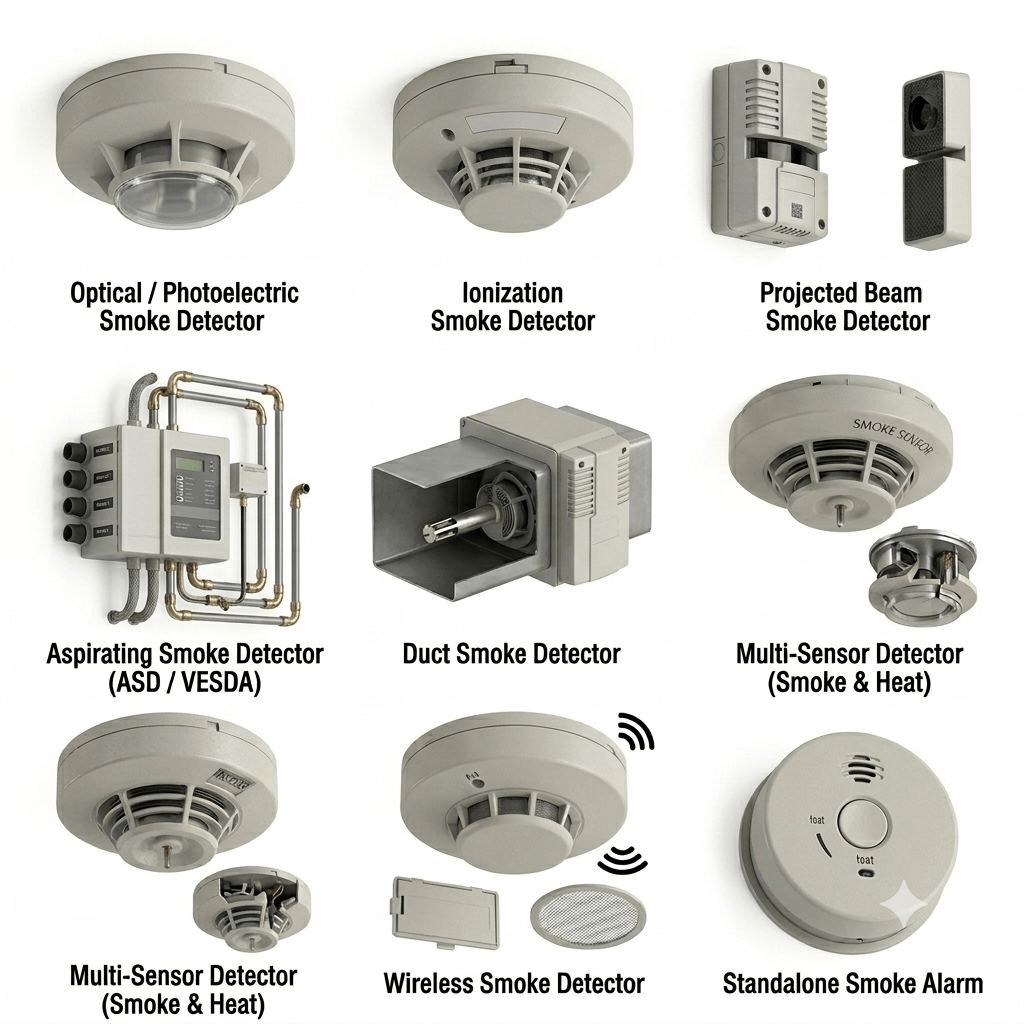
- Fire alarm and detection systems
- Emergency lighting and directional signage
Cost: AED 1,000-3,500. After construction, ADCDA conducts a final inspection and issues a Fire Safety Certificate.
Step 5: Hazmat and Occupational Safety Clearance (Days 20-35)
If storing hazardous materials, Hassantuk reviews your safety protocols. Submit Material Safety Data Sheets (MSDS) for all materials. Your facility must have ventilation systems, spill containment, and trained personnel. Cost: AED 2,000-5,000.
Step 6: Municipal Compliance Certificate (Days 10-20)
Submit drainage plans, parking layout, and waste management procedures to Musaffah Municipality. They verify external infrastructure compliance. Cost: AED 1,000-2,500.
Step 7: Final Inspections and Operational License (Days 30-45)
Once construction is complete, all departments conduct final inspections. DMT verifies structural compliance, ADCDA tests fire systems, Hassantuk checks safety stations, and the Municipality confirms external standards. Upon passing all inspections, you receive your final approval to commence operations.
Estimated Costs and Timeline Summary
Total Compliance Costs: AED 8,500-23,500 (excluding construction)
Total Timeline: 30-60 working days from application to operational approval
Breakdown by Department:
- DMT (Land Use + Building Permit): AED 2,500-9,500
- ADDED (Business License): AED 1,500-3,000
- ADCDA (Fire Safety): AED 1,000-3,500
- Hassantuk (Occupational Safety): AED 2,000-5,000
- Municipality (Compliance Certificate): AED 1,000-2,500
Common Mistakes Facility Owners Make
- Skipping Fire Safety Planning: Many owners assume standard commercial buildings meet fire codes. Warehouses require specialized systems. Budget for this early.
- Underestimating Timeline: Expecting approvals in weeks instead of months leads to operational delays. Plan for 60+ days conservatively.
- Misclassifying Business Scope: Registering as "general trading" instead of "warehousing" complicates later compliance changes. Be specific upfront.
- Ignoring Material Storage Categories: Different goods require different safety protocols. Declaring storage incorrectly triggers re-inspections.
- Poor Documentation: Incomplete permit applications cause rejections and restart the clock. Hire a professional to prepare submissions.
Practical Field-Tested Tips for Success
- Hire a Local Compliance Consultant: They know department preferences and expedite approvals. Cost: AED 3,000-8,000. ROI is immediate through faster processing.
- Submit Complete Applications First Time: Incomplete submissions are rejected outright, adding 2-3 weeks. Double-check all documents before submission