Opening a School in Khalifa City, Abu Dhabi: Complete Compliance Requirements Guide
Introduction: Navigate the Regulatory Landscape with Confidence
Khalifa City stands as one of Abu Dhabi's most promising educational hubs, attracting investors and educators eager to establish quality institutions. However, opening a school here requires navigating multiple government agencies, each with specific mandates and compliance standards. Whether you're planning a primary institution, secondary facility, or specialized academy, understanding these requirements upfront can save you months of delays and thousands in unnecessary expenses.
This guide walks you through every compliance layer—from initial licensing to final inspections—with practical insights earned from dozens of successful school openings in the emirate.
Key Government Entities and Their Critical Roles
Abu Dhabi Department of Education and Knowledge (ADEK)
Primary Authority: ADEK is your main regulatory body for educational standards, curriculum approval, and teacher qualifications. They issue the foundational license without which no school can legally operate.
- Reviews school business plans and educational philosophy
- Approves curriculum frameworks and teaching methodologies
- Verifies teacher credentials and staff qualifications
- Conducts educational readiness inspections
- Mandatory inspection point: 4-6 weeks before opening
Abu Dhabi Civil Defence Authority (ADCDA)
Safety Mandate: ADCDA ensures your facility meets fire safety, emergency evacuation, and civil defence standards. Non-compliance here can result in immediate closure orders.
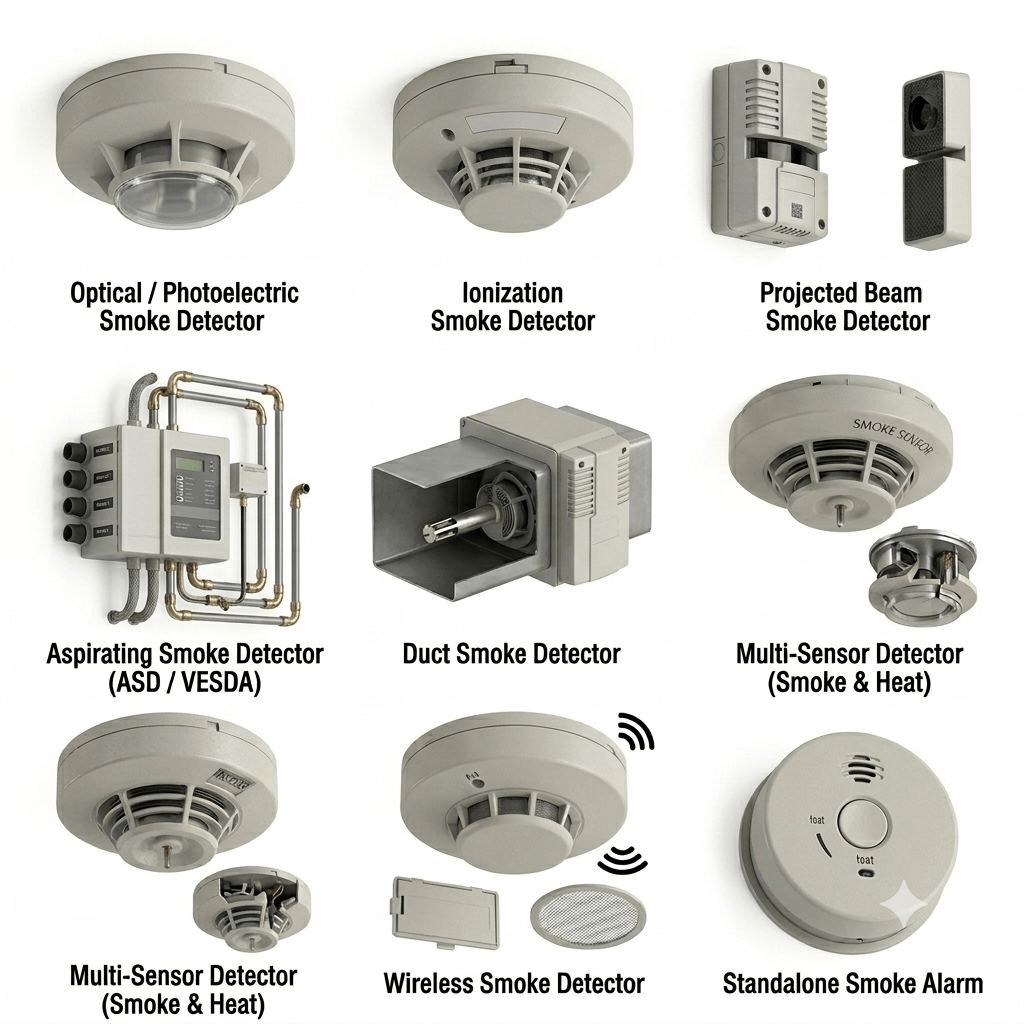
- Fire detection and suppression system approval
- Emergency exit planning and signage requirements
- Maximum occupancy calculations per room
- Safety equipment and first aid station placement
- Staff civil defence training certification
Abu Dhabi Public Health Centre (ADPHC) / Department of Health
Health Standards: This entity oversees sanitation, food safety (if your school has a cafeteria), and health screening protocols.
- Health certificate issuance for all staff
- Food handling facility approval (if applicable)
- Vaccination and medical record requirements for students
- Pest control and hygiene compliance inspections
Abu Dhabi Municipality (Khalifa City Department)
Infrastructure Compliance: Municipal approval ensures your building and grounds meet zoning, construction, and environmental standards specific to Khalifa City.
- Zoning verification for educational use
- Building permit and construction safety sign-off
- Parking and traffic flow assessment
- Waste management and environmental compliance
Hassantuk (Private School Standards Authority)
Quality Assurance: Hassantuk monitors private school performance and quality benchmarks, becoming relevant after your initial licensing phase.
Step-by-Step Compliance Process
Phase 1: Pre-Application Planning (Weeks 1-4)
Before submitting any applications, secure your location and verify municipal zoning approval. This prevents costly pivots after investment. Request a zoning confirmation letter from Khalifa City Municipality—this is your green light that educational use is permitted on your property.
Phase 2: ADEK Educational License Application (Weeks 5-12)
Submit your school business plan, organizational structure, and curriculum details to ADEK. Required documents include:
- Detailed business plan (3-5 years financial projections)
- Educational philosophy and curriculum framework
- Staff organizational chart with CVs and qualifications
- Facility floor plans and specifications
- Proof of capital investment (bank statements)
ADEK typically responds within 6-8 weeks with conditional approval, subject to facility inspection.
Phase 3: Civil Defence and Safety Compliance (Weeks 8-14)
Run parallel to ADEK processing. Submit fire safety plans to ADCDA including:
- Fire evacuation diagrams for every floor
- Fire suppression system specifications (sprinkler plans for larger facilities)
- Emergency lighting and exit signage layout
- Staff training schedule for civil defence certification
ADCDA conducts on-site inspection; budget 2-3 weeks for approvals.
Phase 4: Health Authority Clearance (Weeks 10-16)
Submit staff health certificates and cafeteria plans (if applicable) to ADPHC. All teachers and support staff require medical clearance. If operating a food facility, submit detailed kitchen design and HACCP (food safety) documentation.
Phase 5: Final Municipal Sign-Off (Weeks 15-18)
Once ADEK and civil defence approvals are in hand, submit these alongside parking assessments and waste management plans to Khalifa City Municipality for final confirmation.
Phase 6: Pre-Opening Inspection (Weeks 19-22)
ADEK conducts mandatory facility walk-through 4-6 weeks before your planned opening. They verify all educational resources, safety features, and staffing are in place.
Estimated Costs and Timeline
| Compliance Component | Estimated Cost (AED) | Timeline |
|---|---|---|
| ADEK License Application | 5,000 - 10,000 | 8 weeks |
| Civil Defence Safety Systems & Inspection | 15,000 - 50,000 | 4-6 weeks |
| Health Authority Approvals | 3,000 - 8,000 | 3-4 weeks |
| Municipality Permits & Inspections | 2,000 - 5,000 | 2-3 weeks |
| Staff Training & Certifications | 4,000 - 10,000 | Ongoing |
| Total Compliance Budget | 29,000 - 83,000 | 18-22 weeks |
Timeline Summary: Plan 4.5 to 5.5 months from application to opening. Many facility owners underestimate this; building a 2-3 month buffer into your project timeline is prudent.
Common Mistakes Facility Owners Make
1. Skipping Zoning Verification
Applying for an ADEK license before confirming municipal zoning approval wastes 6-8 weeks. Always verify first.
2. Underestimating Safety Costs
Fire suppression systems and emergency exits in larger facilities often exceed initial budgets by