Opening a Restaurant & Café in Abu Dhabi Mainland: Your Complete Compliance Guide
Starting a restaurant or café in Abu Dhabi Mainland requires navigating multiple regulatory frameworks simultaneously. Unlike other emirates, Abu Dhabi has a distinct compliance landscape managed by specialized government entities. This comprehensive guide walks you through every requirement, cost, and timeline you need to know before opening your doors.
Whether you're planning a casual café or a fine dining establishment, understanding these requirements upfront prevents costly delays, rejected permits, and operational disruptions. We'll break down what the authorities require, how long it takes, and the practical mistakes most facility owners make.
Understanding the Key Government Entities
Abu Dhabi Centre for Waste Management (ADCDA)
ADCDA oversees waste management compliance for all food establishments. They require:
- Waste segregation system approval (organic, recyclable, hazardous)
- Grease trap installation for wastewater management
- Licensed waste collection contractor engagement
- Monthly waste management documentation
Your facility must have separate waste bins with proper labeling and a contracted waste management service before receiving operational approval.
Abu Dhabi Department of Economic Development (ADDED)
ADDED issues your commercial trade license, the foundational permit for business operations. They verify:
- Business ownership and company registration
- Premises ownership or tenancy agreement
- Capital investment confirmation
- Business activity classification (restaurant code 5610, café code 5630)
Processing typically takes 5-10 business days once documentation is complete.
Hassantuk (Food Safety Department)
This is your most critical approval authority. Hassantuk ensures food safety compliance through:
- Premises inspection (hygiene standards, equipment, storage)
- Staff health certificates (mandatory for all food handlers)
- Food safety management system certification
- Menu approval and sourcing documentation
- Quarterly inspection visits post-opening
Hassantuk conducts both pre-operational and surprise inspections. Non-compliance can result in closure.
Abu Dhabi Municipality
Municipality handles building and safety compliance:
- Building permit and final occupancy certificate
- Fire safety system approval
- Electrical and plumbing system certification
- Kitchen ventilation and extraction system specifications
- Emergency exit and safety signage compliance
Step-by-Step Compliance Process
Stage 1: Pre-Planning & Documentation (Weeks 1-2)
Prepare and organize:
- Valid business ownership documents (passport, trade name certificate)
- Premises lease agreement or ownership deed
- Initial capital investment proof
- Detailed floor plan with kitchen layout
- Menu specification document
Begin contractor engagement—you'll need licensed architects, engineers, and food safety consultants for compliance design.
Stage 2: Municipality & Building Approvals (Weeks 2-6)
Submit building permit application with complete architectural drawings. Municipality requires:
- Kitchen ventilation drawings (extraction rate calculated per cooking area)
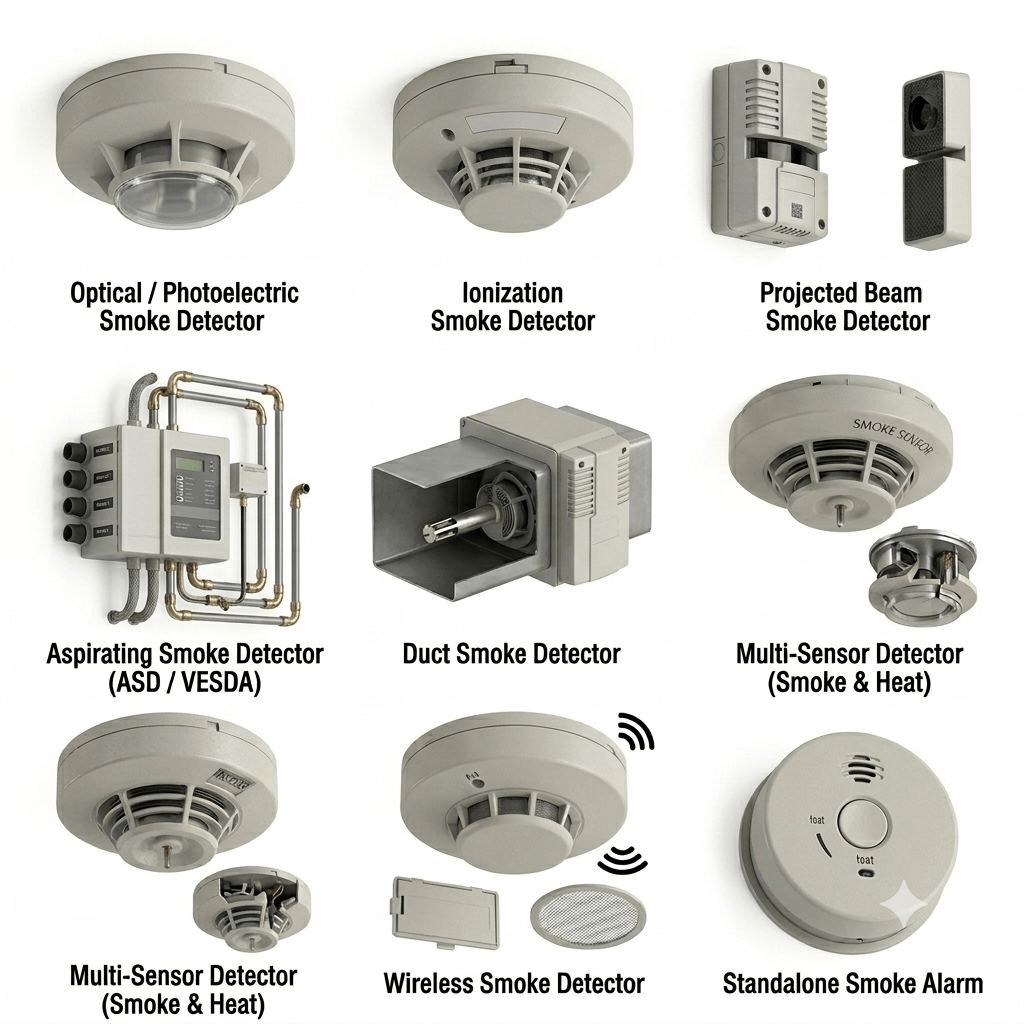
- Fire safety system schematic (suppression, detection, emergency lighting)
- Electrical load calculation and single-line diagram
- Plumbing and grease trap design
Construction and installation proceed during this phase. Final occupancy certificate must be obtained before Hassantuk inspection.
Stage 3: ADDED Trade License (Weeks 6-8)
Once building permits are obtained, submit to ADDED with:
- Completed license application form
- Final occupancy certificate copy
- Lease agreement or property deed
- Capital investment bank statement
ADDED typically approves within 5-10 business days. This activates your legal commercial status.
Stage 4: Hassantuk Food Safety Approval (Weeks 8-10)
Submit comprehensive food safety documentation:
- HACCP (Hazard Analysis Critical Control Points) plan
- Staff health certificates (medical fitness for food handlers)
- Equipment certification and maintenance records
- Food supplier approval documentation
- Cleaning and sanitation procedures manual
Hassantuk conducts facility inspection. Non-compliance items must be corrected and re-inspected.
Stage 5: ADCDA Waste Management Registration (Week 10)
Register waste management contractor and obtain approval for:
- Grease trap specifications and installation
- Waste collection schedule and contractor details
- Recycling program documentation
Estimated Costs & Timeline Summary
| Compliance Component | Estimated Cost (AED) | Timeline |
|---|---|---|
| Municipality Building Permit | 2,500 - 5,000 | 4 weeks |
| ADDED Trade License | 1,500 - 3,000 | 1-2 weeks |
| Hassantuk Food Safety Certification | 3,000 - 6,000 | 2-3 weeks |
| Engineering & Design Consultation | 5,000 - 10,000 | Concurrent |
| Kitchen Equipment Installation | 20,000 - 50,000+ | 3-4 weeks |
| Fire Safety Systems | 8,000 - 15,000 | 2-3 weeks |
| Total Compliance Cost | 40,000 - 89,000+ | 8-10 weeks |
Total Timeline: 8-10 weeks from documentation to operational approval (assuming no rejections).
Common Mistakes Facility Owners Make
1. Starting without final occupancy certificate
Many owners begin Hassantuk applications before Municipality issues final occupancy. This creates delays. Sequence matters—building approval first, always.
2. Underestimating kitchen ventilation requirements