Opening a Printing Press in Musaffah: Your Complete Compliance Guide
Starting a printing press facility in Musaffah, Abu Dhabi is a significant business investment—but navigating the regulatory landscape can feel overwhelming. Between industrial permits, safety certifications, environmental approvals, and labor compliance, facility owners face a complex web of requirements from multiple government agencies. This guide breaks down exactly what you need to know, the agencies involved, and how to move through the compliance process efficiently.
Musaffah's strategic location as Abu Dhabi's primary industrial zone makes it attractive for printing operations. However, the government has stringent standards to protect workers, the environment, and public safety. Understanding these requirements upfront helps you avoid costly delays and penalties.
Key Government Entities and Their Roles
Abu Dhabi Department of Municipalities and Transport (ADMT)
Role: ADMT issues your main industrial license and facility permit. They verify that your location complies with zoning regulations for Musaffah's industrial classification and ensure your premises meet space and infrastructure standards.
What they review: Layout plans, business description, property documentation, and proof of lease or ownership.
Abu Dhabi Centre for Waste Management (ADCWM)
Role: Printing operations generate waste (ink, solvents, paper scraps, chemical residues). ADCWM ensures you have an approved waste management plan and licensed waste disposal contractor.
Key requirement: You must register with ADCWM and demonstrate how you'll handle hazardous waste. Many facility owners overlook this—it's a common compliance gap.
Abu Dhabi Health Authority (ADHA)
Role: Oversees workplace health and safety standards. They inspect facilities for proper ventilation, chemical storage, and employee safety protocols, particularly for facilities using solvents or inks.
What they focus on: Fire safety systems, emergency exits, first aid equipment, and occupational health measures for chemical exposure.
Department of Energy (DoE)
Role: Conducts energy audits for larger printing operations. They verify energy efficiency compliance and may require you to implement energy management systems.
Abu Dhabi Police (Civil Defence)
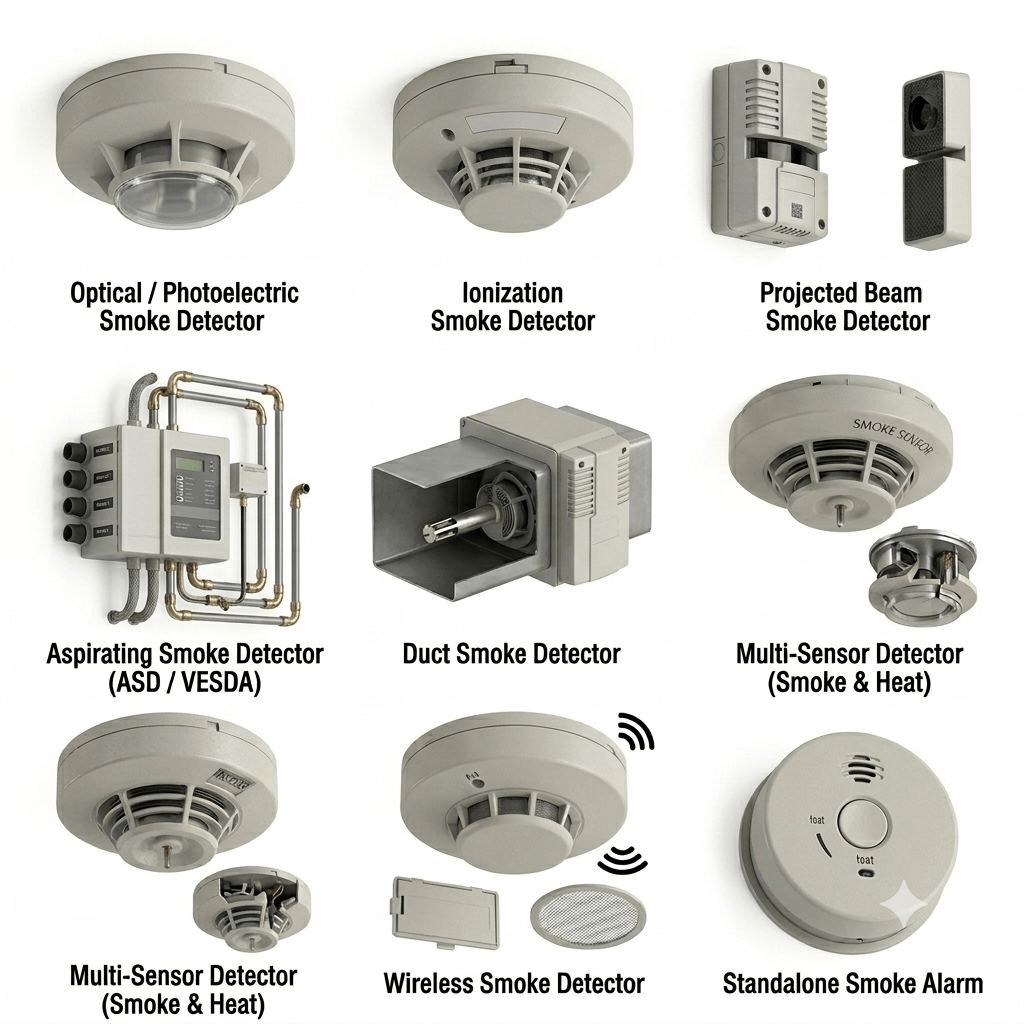
Role: Approves fire safety plans and inspects fire suppression systems, emergency exits, and evacuation procedures. Your facility must obtain a Civil Defence approval certificate before commencing operations.
Step-by-Step Compliance Process
Step 1: Secure Location and Documentation (Week 1-2)
- Verify your Musaffah location is zoned for printing operations
- Obtain NOC (No Objection Certificate) from property owner
- Prepare property lease or ownership documents
- Prepare building plans showing layout, machinery placement, and ventilation systems
Step 2: Register with Municipality and Obtain Industrial License (Week 3-5)
- Submit application to ADMT with all required documentation
- Pay industrial license fee (typically AED 2,000-3,500 annually)
- Receive initial approval pending inspections
Step 3: Environmental and Waste Management Approval (Week 4-6)
- Develop waste management plan with classified waste types
- Contract licensed waste disposal company
- Submit plan to ADCWM for approval
- Obtain waste management certificate
Step 4: Health and Safety Compliance (Week 5-8)
- Conduct workplace assessment with certified safety consultant
- Install proper ventilation and chemical storage systems
- Establish occupational health protocols
- Submit health and safety plan to ADHA
- Schedule ADHA inspection
Step 5: Fire Safety Approval (Week 6-9)
- Design fire suppression system (sprinklers or foam systems for chemical areas)
- Install emergency exits and signage
- Submit plans to Abu Dhabi Civil Defence
- Obtain fire safety approval certificate after inspection
Step 6: Energy Compliance (Week 7-9)
- Contact DoE for energy audit requirement determination
- If required, conduct energy audit and implement recommendations
- Obtain energy compliance certification
Step 7: Final Municipality Inspection and Operational License (Week 9-11)
- ADMT conducts final facility inspection
- Verify all safety systems and compliance measures in place
- Obtain final operational permit
Estimated Costs and Timeline
Total Compliance Cost Range: AED 25,000-55,000 (depending on facility size and existing infrastructure)
- Industrial license: AED 2,000-3,500
- Safety consultant and plan development: AED 5,000-8,000
- Fire safety system installation and approval: AED 8,000-20,000
- Waste management setup and registration: AED 3,000-6,000
- Environmental assessment and compliance: AED 4,000-10,000
- Energy audit (if required): AED 2,000-4,000
Timeline: 10-12 weeks from application to operational license
Common Mistakes Facility Owners Make
- Ignoring waste management early: Treating it as an afterthought creates delays. Register with ADCWM before your license application.
- Inadequate ventilation planning: Printing operations release fumes. Poor ventilation triggers ADHA rejection and costly retrofitting.
- Underestimating fire safety: Civil Defence standards are strict. Budget for professional system design, not DIY solutions.
- Missing energy audits: Facilities over 100kW often require DoE approval. Failing to apply early extends timelines significantly.
- Using unlicensed contractors: Only engage certified safety consultants and waste disposal firms. Government agencies verify contractor credentials.
Field-Tested Compliance Tips
- Engage a compliance consultant: Expert guidance reduces errors and accelerates approvals. The investment typically pays for itself through faster processing.
- Start applications in parallel: Don't wait for municipal approval before submitting waste and health plans. Simultaneous processing saves weeks.
- Build relationships with inspectors: Early, transparent communication during inspections prevents surprises and rejection letters.
- Keep detailed records: Document all inspections, approvals, and maintenance activities. Audits and license renewals require this documentation.
- Plan for maintenance: Fire systems, ventilation, and waste procedures require ongoing certification and upkeep to remain compliant.
The bottom line: Compliance in Musaffah is achievable—but requires systematic planning and coordination across multiple agencies. Success depends on understanding each entity's specific requirements